

Cotton: Understanding This Textile Fibre
Naturally found in many wardrobes, cotton is one of the most widely used textile fibres in clothing. Valued for its softness, versatility and ease of styling, it is used in a wide range of garments, from T-shirts and shirts to trousers and knitwear.
However, not all cotton is the same. Its origin, cultivation, processing and combination with other fibres can influence the characteristics of the fabric and how it is used.
Discover the characteristics of cotton, the differences between conventional, organic and recycled cotton, and how to care for your garments.
What Is Cotton?
Cotton is a natural plant-based textile fibre obtained from the fibres surrounding the seeds of the cotton plant. After harvesting, these fibres are separated from the seeds, cleaned and spun into yarns for weaving or knitting.
Used in clothing for centuries, cotton is known for its versatility. Depending on how it is spun, woven, knitted or blended with other materials, it can be transformed into fabrics with very different appearances and uses.
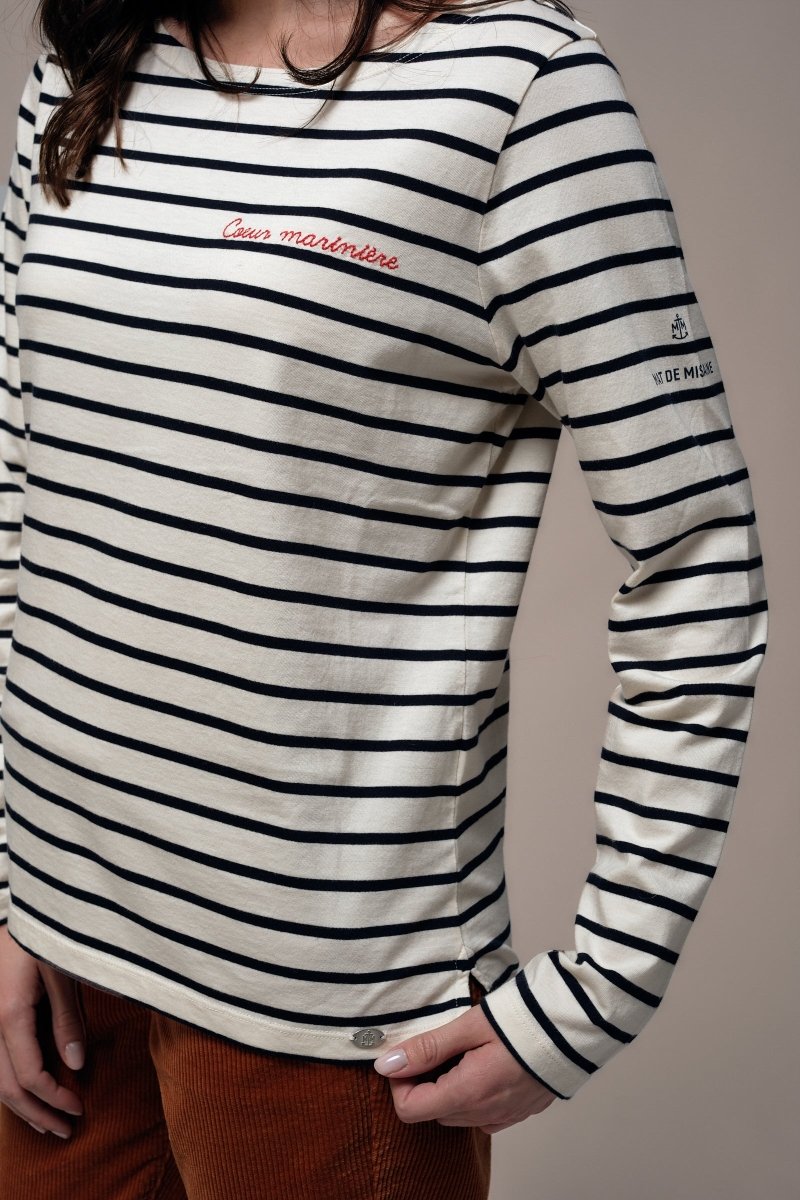
It is commonly found in shirt poplin, T-shirt jersey, denim jeans and certain knitted garments.
What Are the Characteristics of Cotton?
A Fibre Valued for Its Softness
Cotton is often chosen for its pleasant feel against the skin. However, the sensation when worn varies depending on fibre quality, fabric construction and the treatments applied during manufacturing.
A soft jersey, structured canvas and heavyweight denim can all be made from cotton while offering very different textures and wearing experiences.
An Absorbent Material
Cotton has a good capacity to absorb moisture. This characteristic contributes to its widespread use in everyday clothing.
However, its performance depends on the fabric’s thickness, weave and any other fibres included in its composition.
A Wide Variety of Textures
One of cotton’s distinctive qualities is its ability to be transformed into different types of fabric:
-
Jersey, commonly used for T-shirts.
-
Poplin, popular in shirtmaking.
-
Canvas, found in many trousers and jackets.
-
Denim, particularly used for jeans.
-
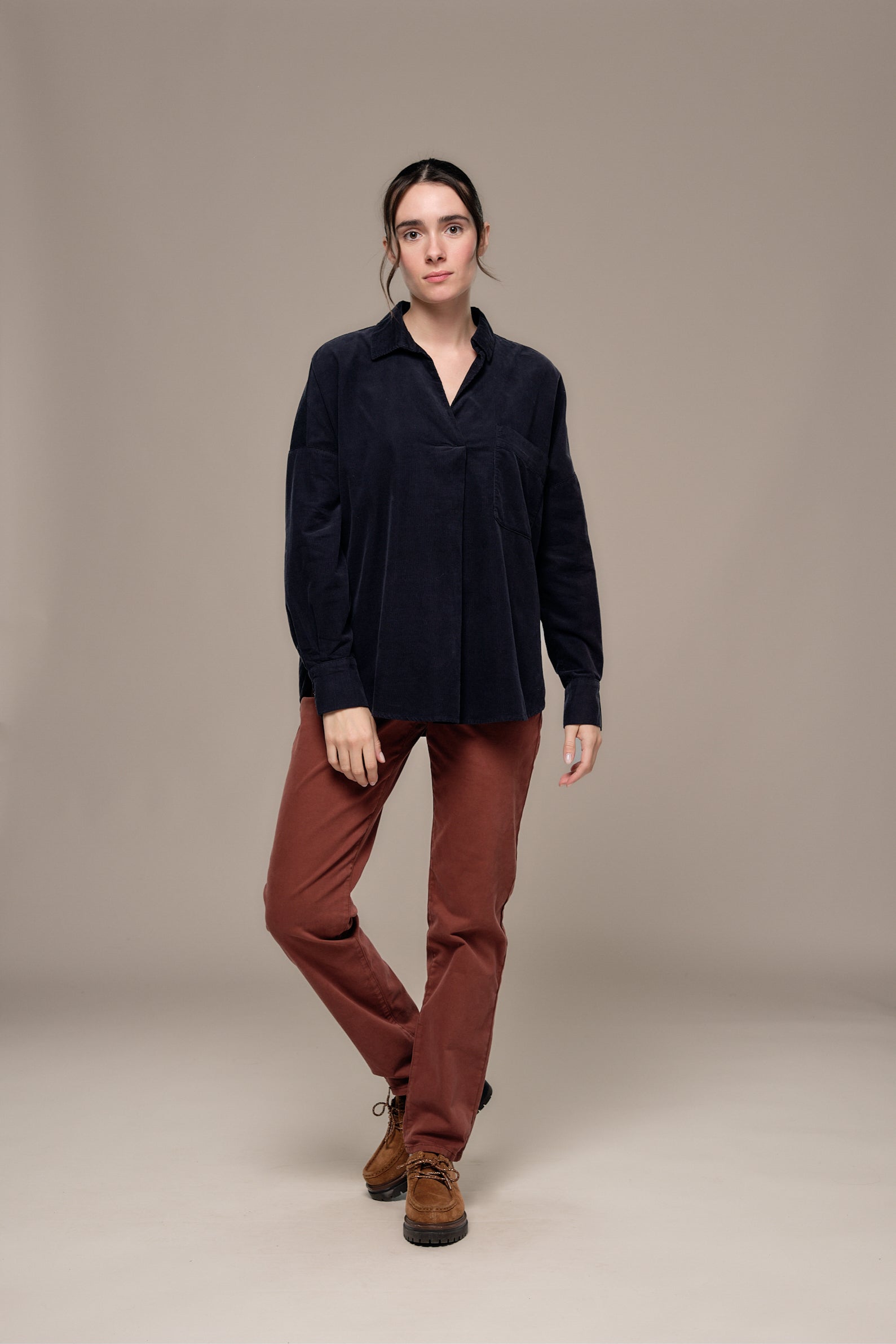
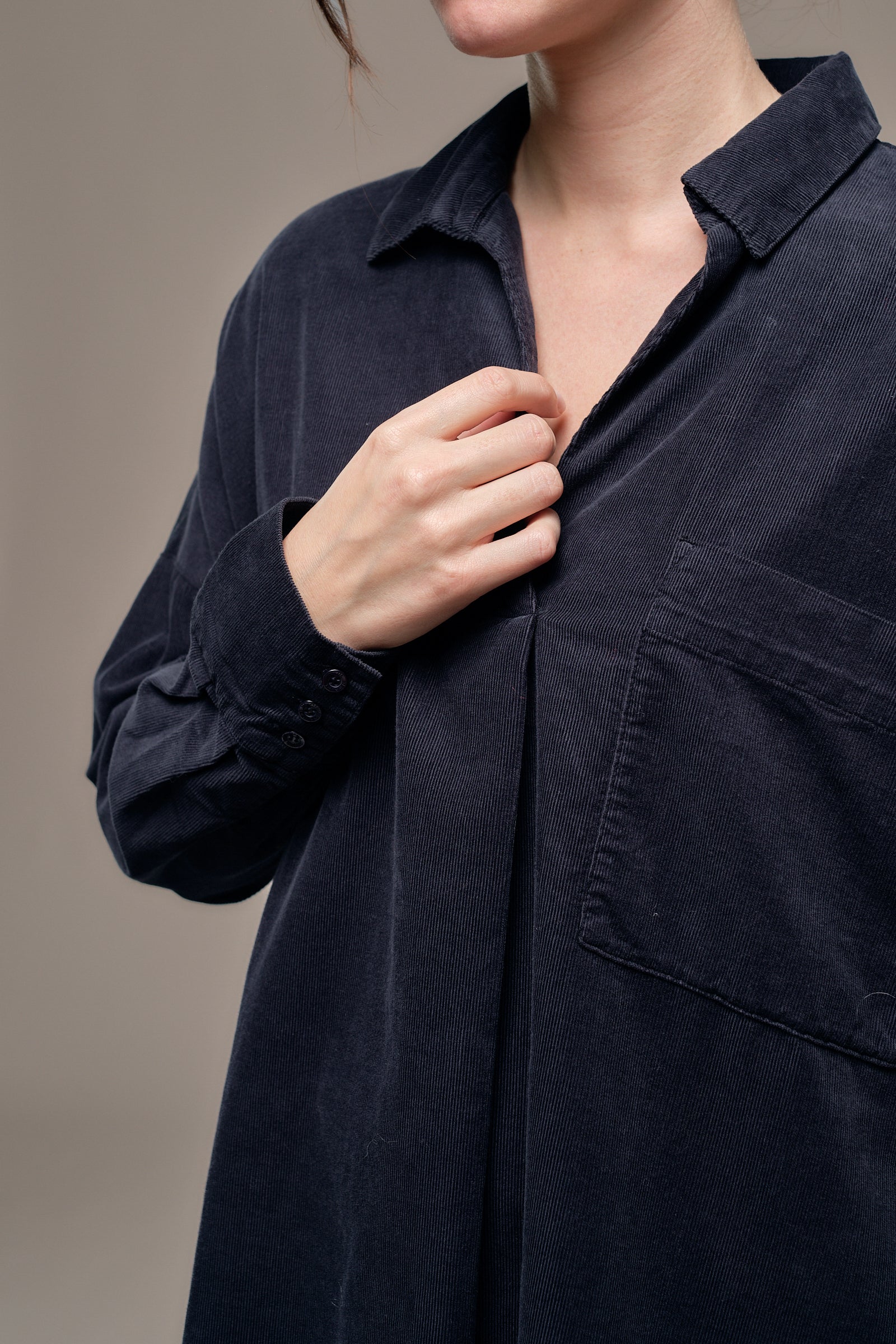
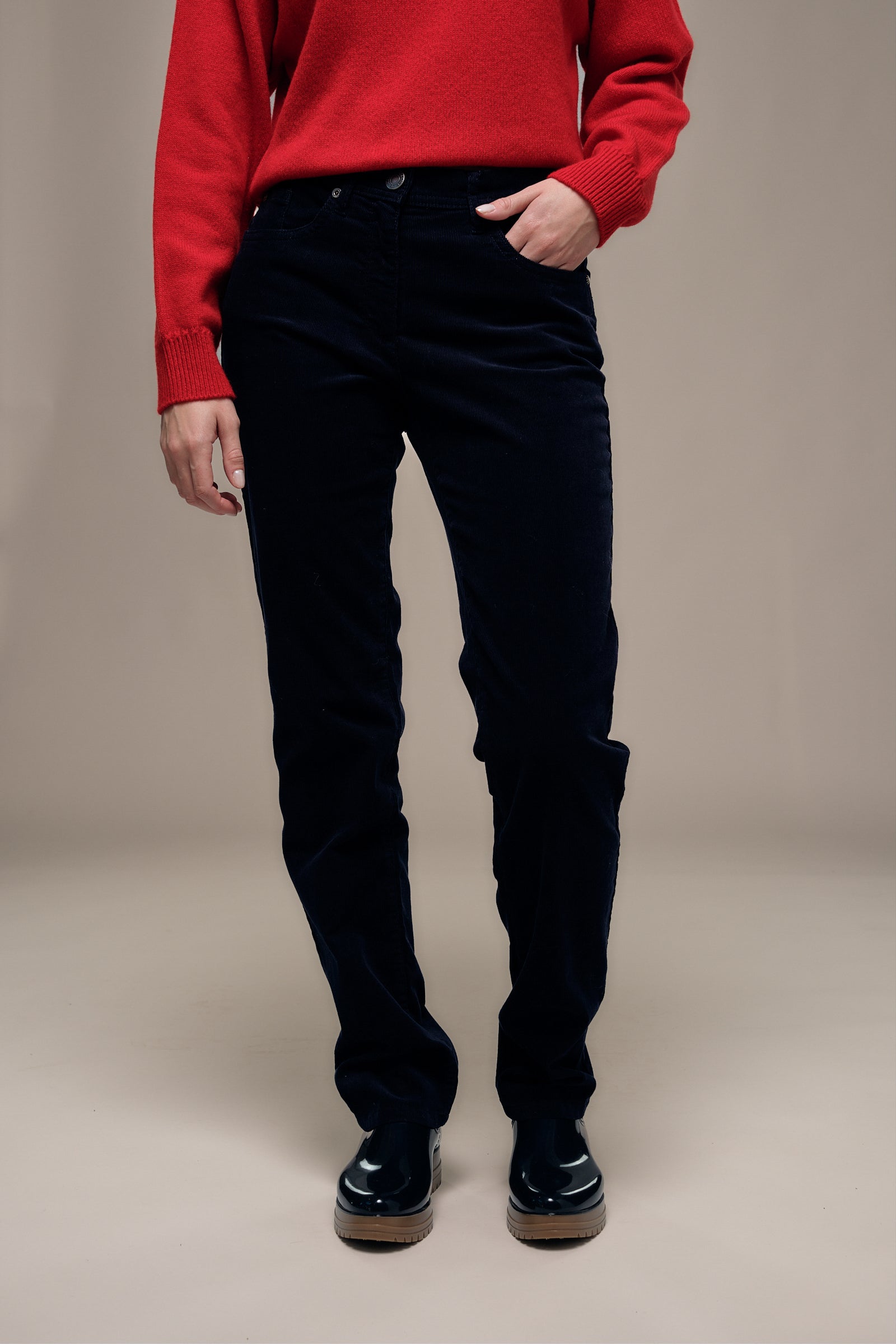
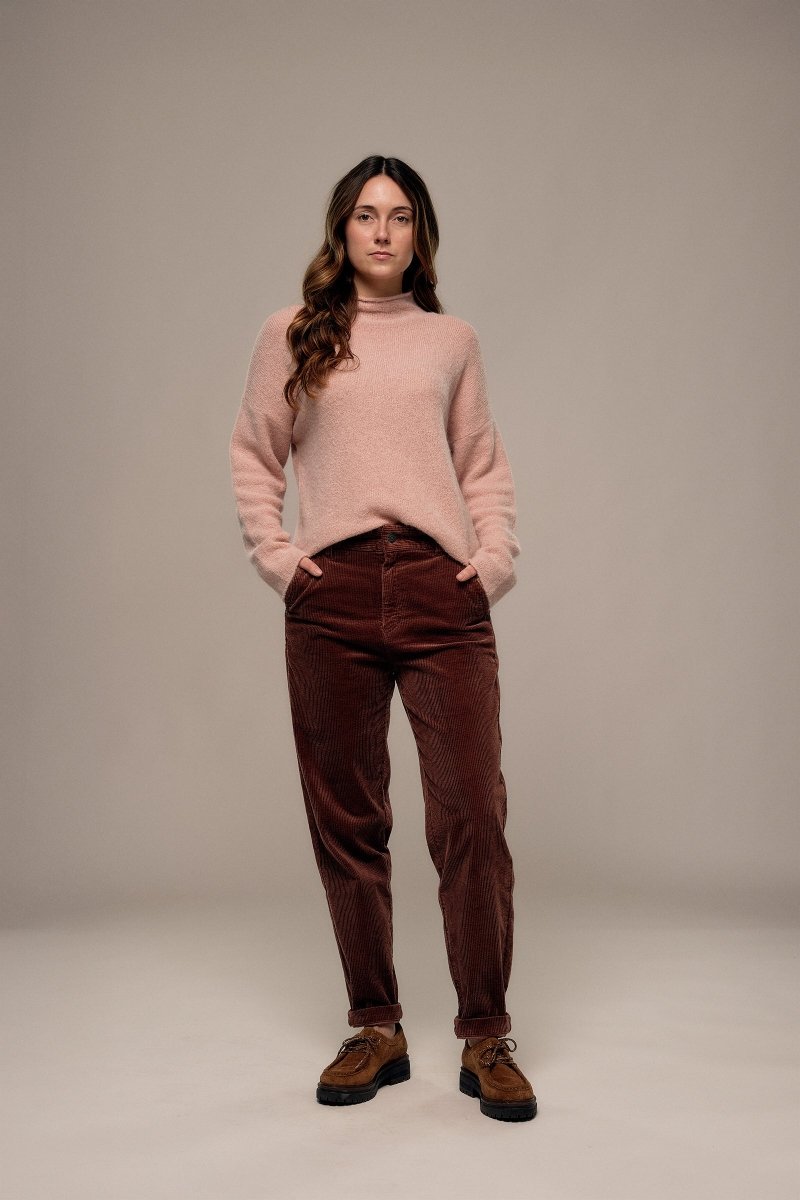
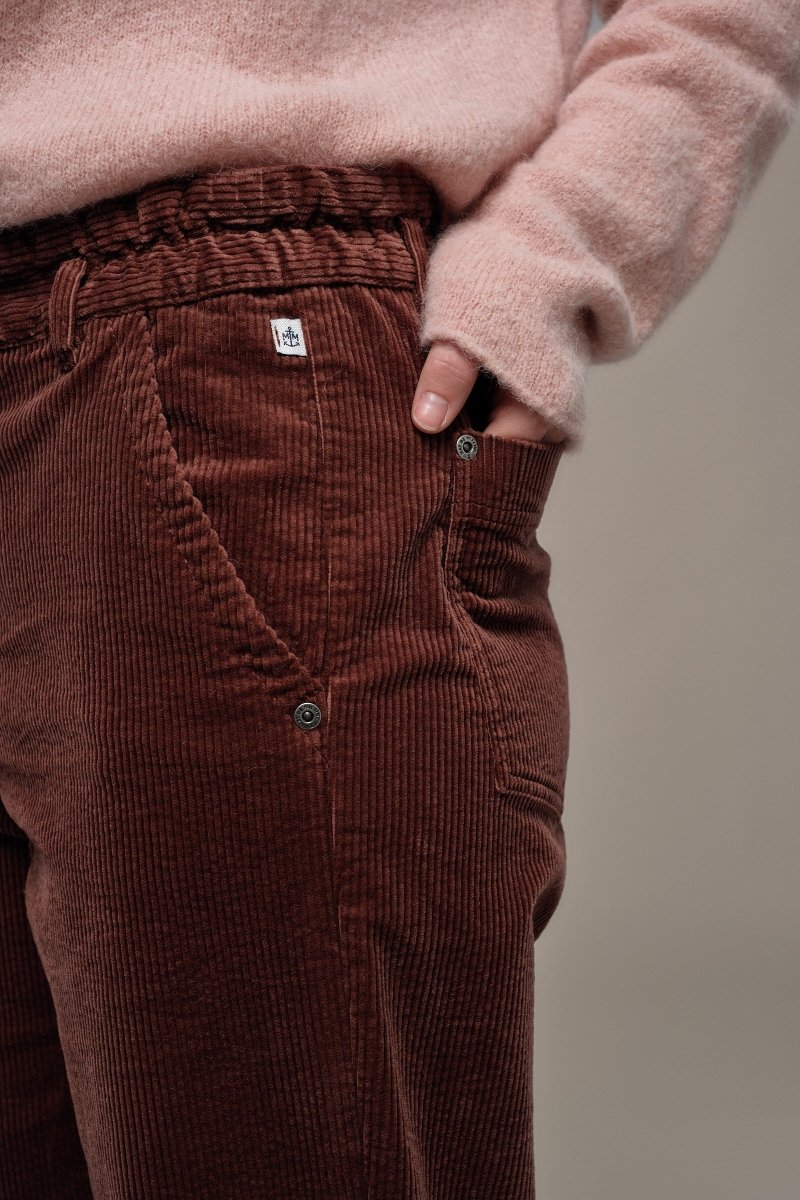
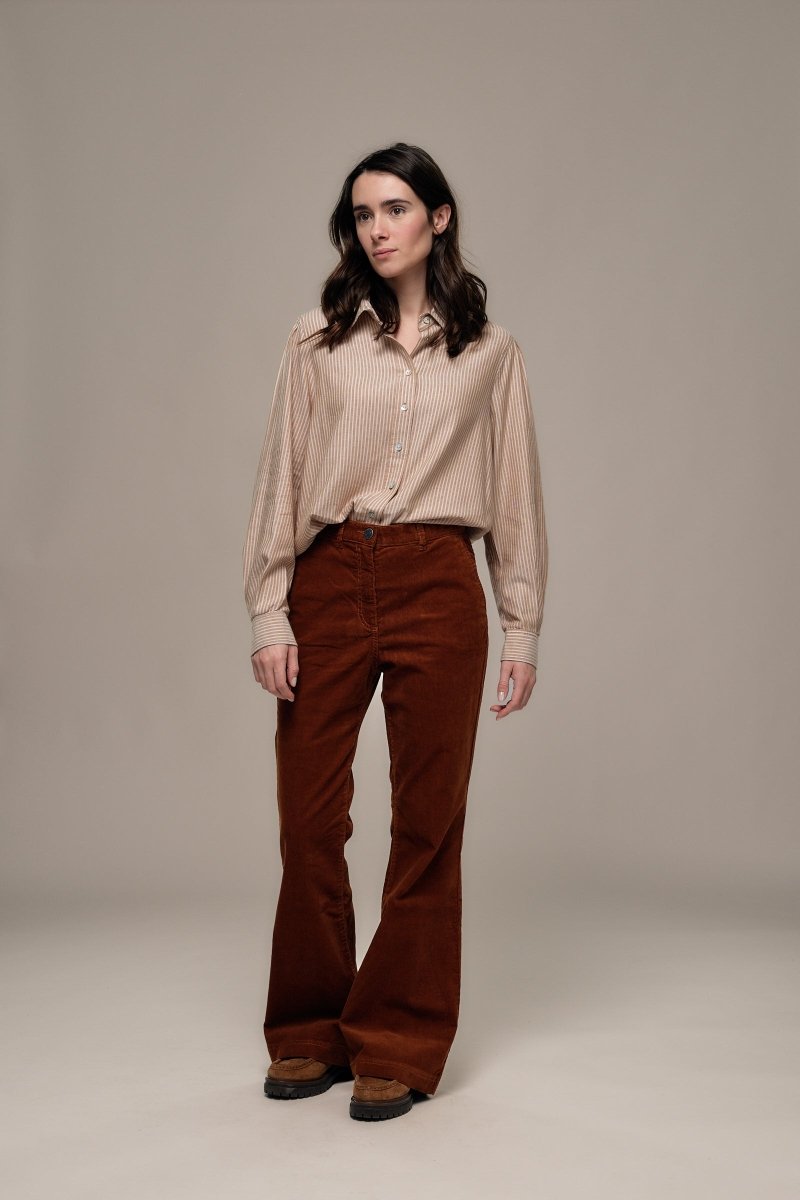
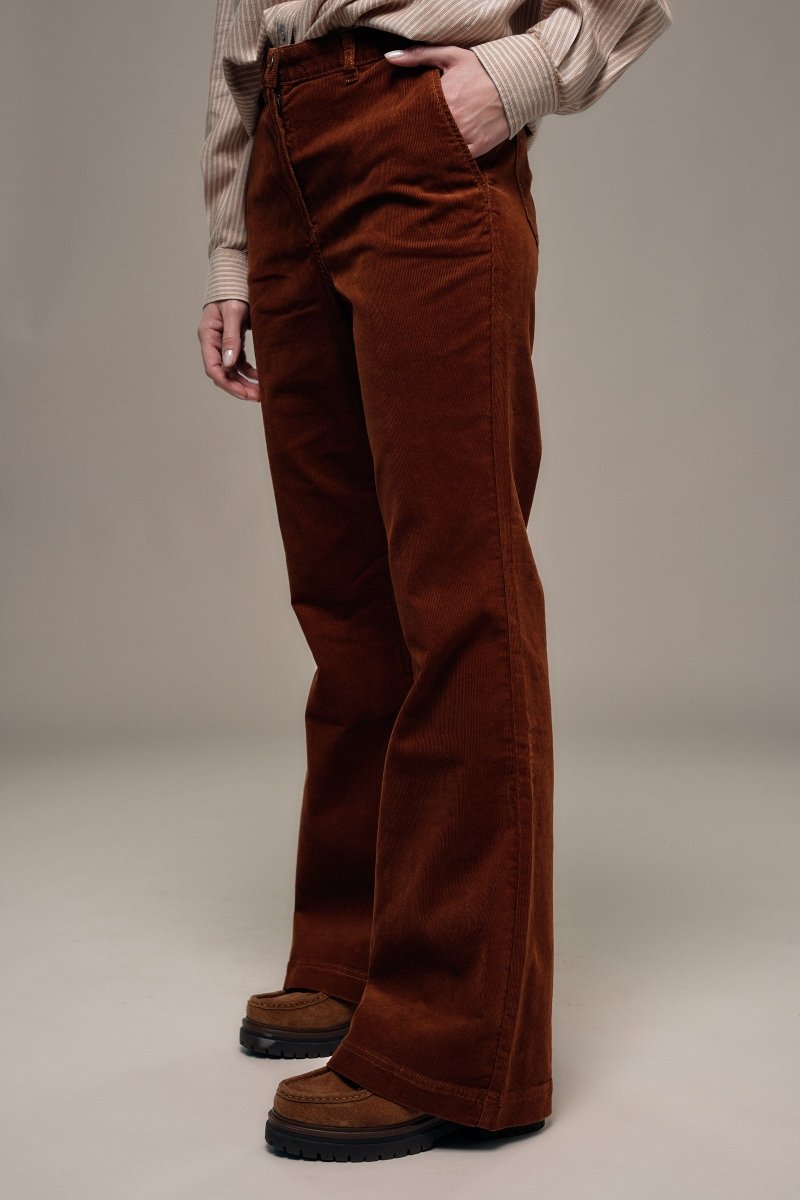
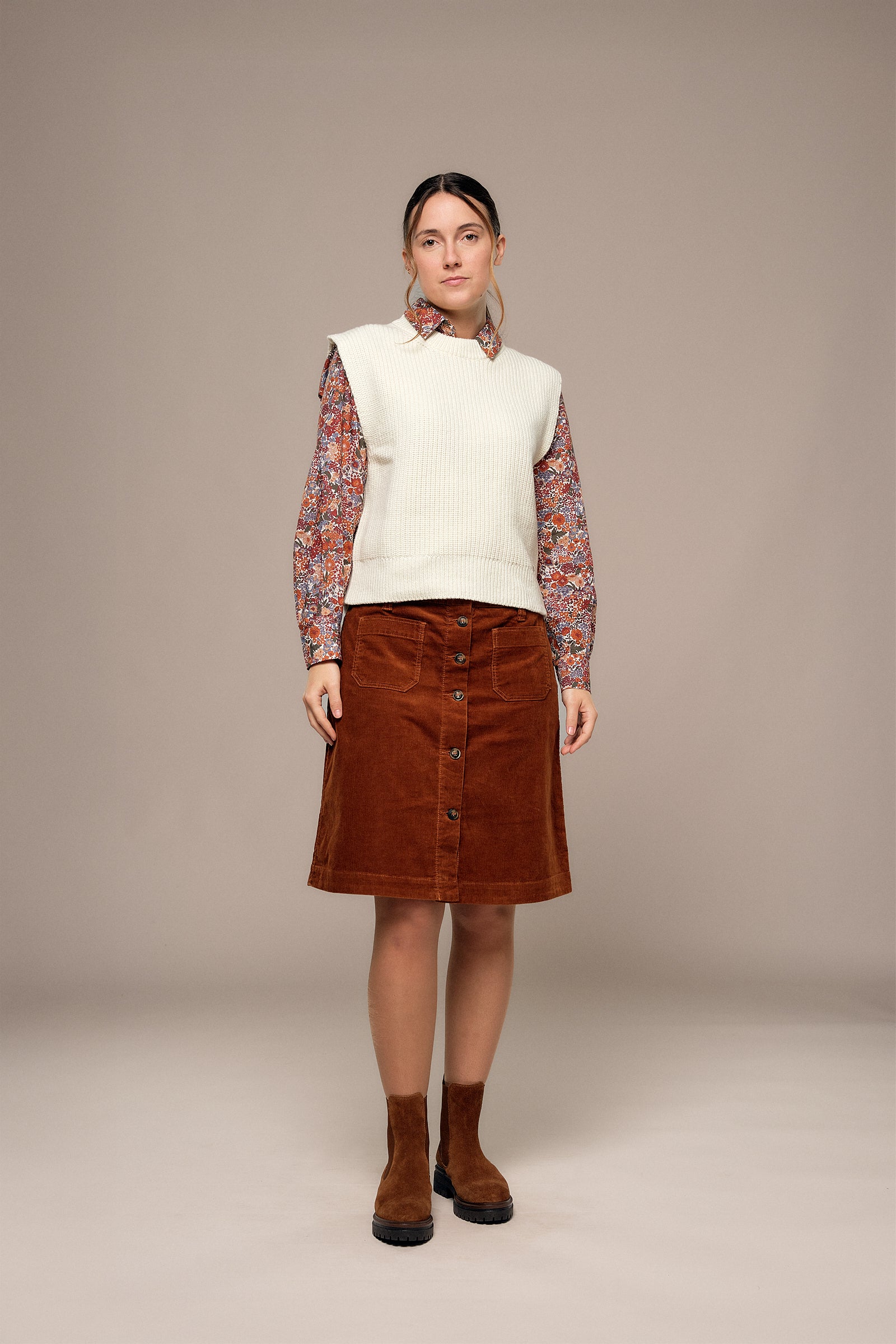
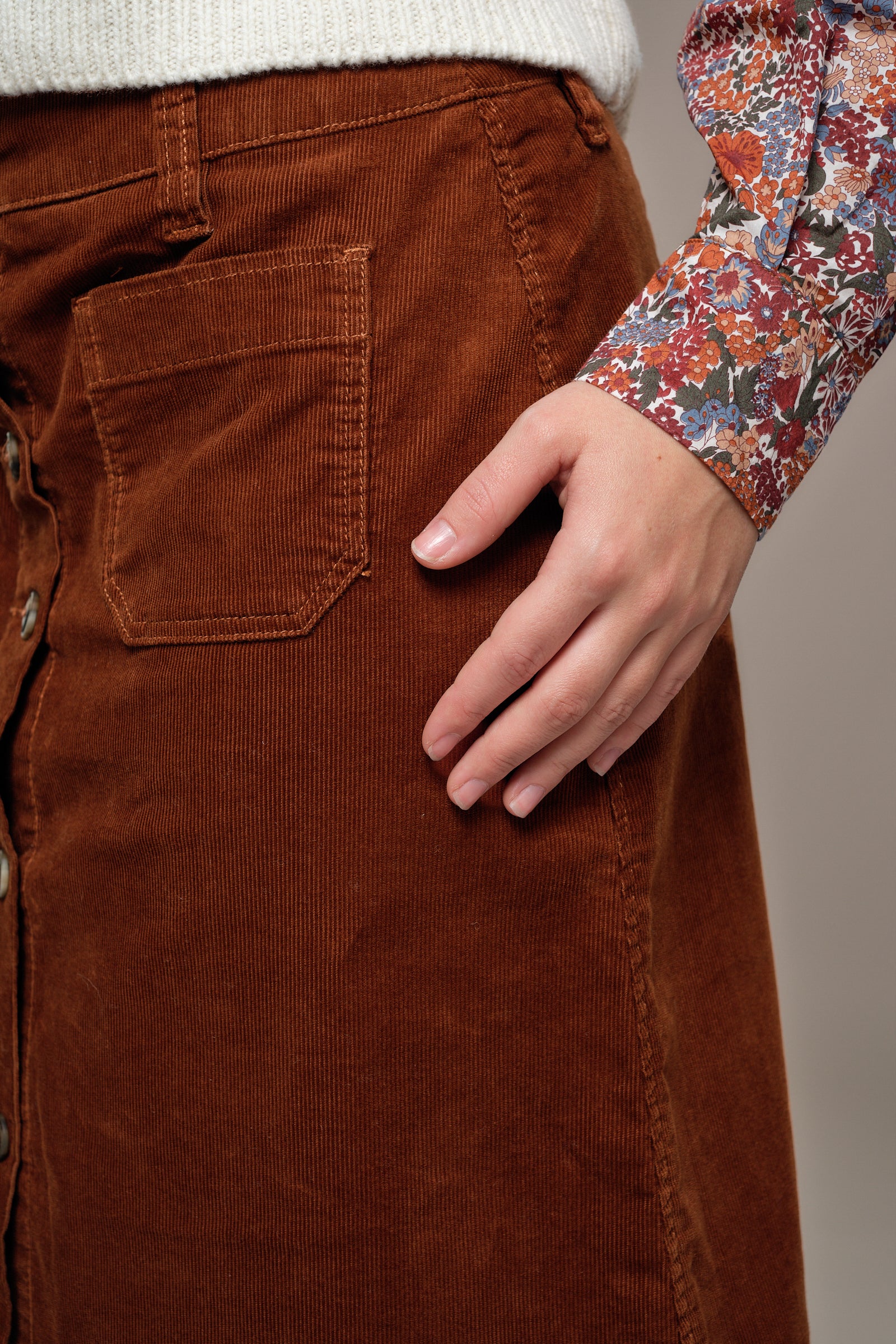
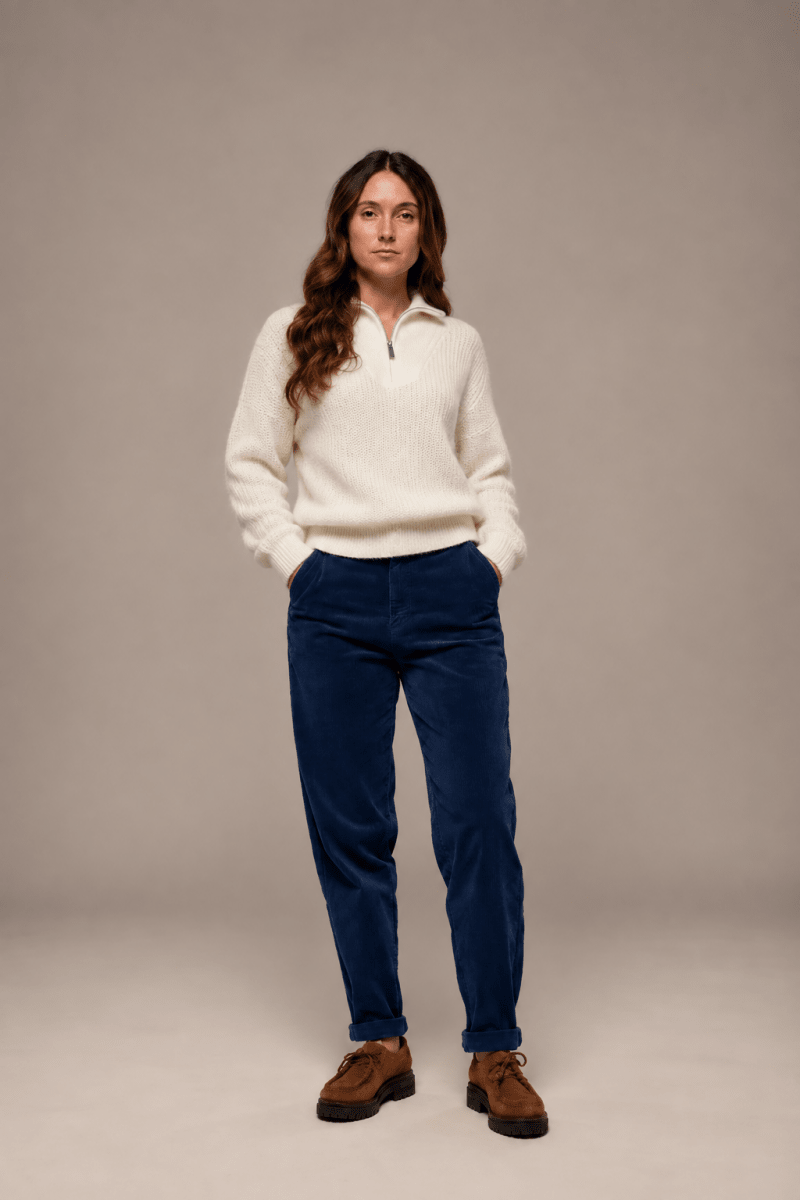
Cotton velvet, recognisable by its feel and distinctive texture.
Choosing a cotton garment therefore depends not only on the fibre itself, but also on its cut, thickness and how the fabric has been constructed.
Conventional, Organic and Recycled Cotton: What Are the Differences?
Conventional Cotton
Conventional cotton refers to cotton grown using agricultural practices that do not necessarily follow organic farming standards.
Cultivation methods can vary depending on the region, producer and farm. It is therefore not possible to determine all the production conditions of a garment simply from the word “cotton” on its label.
Organic Cotton
Organic cotton comes from cultivation methods that meet specific organic production requirements, particularly regarding the use of certain agricultural inputs.
However, it is important to distinguish between the organic origin of the fibre and any certification of the finished textile product.
A garment containing organic cotton is not automatically GOTS-certified.
Explore our selection of organic cotton clothing: https://mat-de-misaine.com/collections/vetements-coton-biologique
Recycled Cotton
Recycled cotton comes from cotton-containing textiles that have been recovered and reintroduced into a manufacturing process.
It may come from production offcuts or used textiles. The recovered fibres can be blended with other fibres to achieve the desired characteristics in the new fabric.
The presence of recycled cotton alone does not determine a garment’s overall environmental impact. This also depends on numerous other factors, including manufacturing, transport and how long the garment is used.
What Does GOTS Certification Mean?
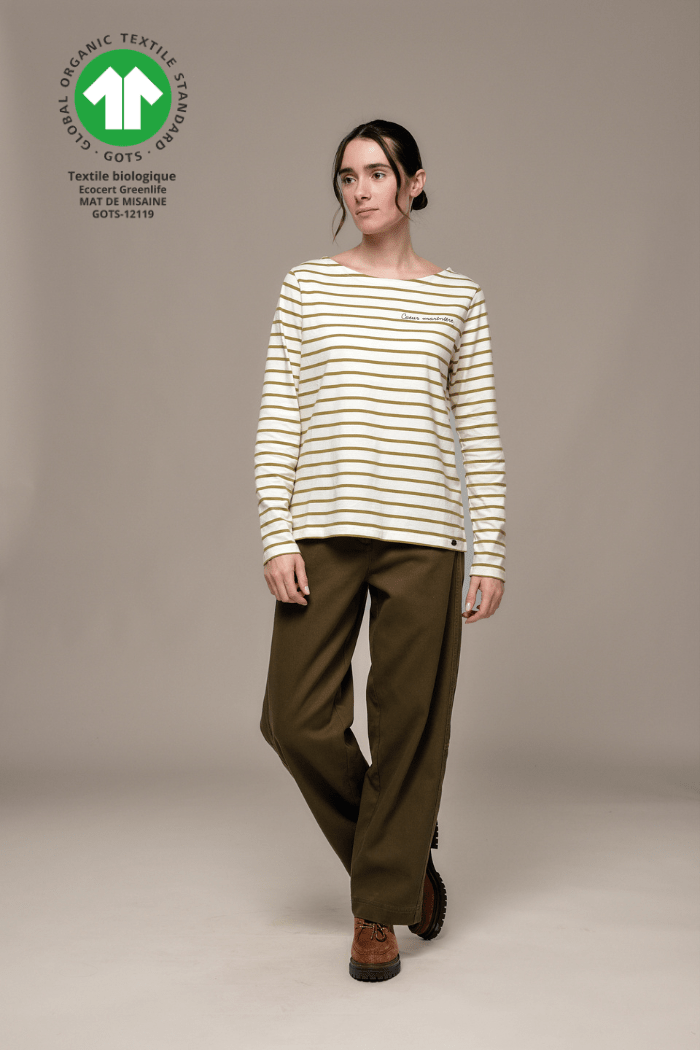
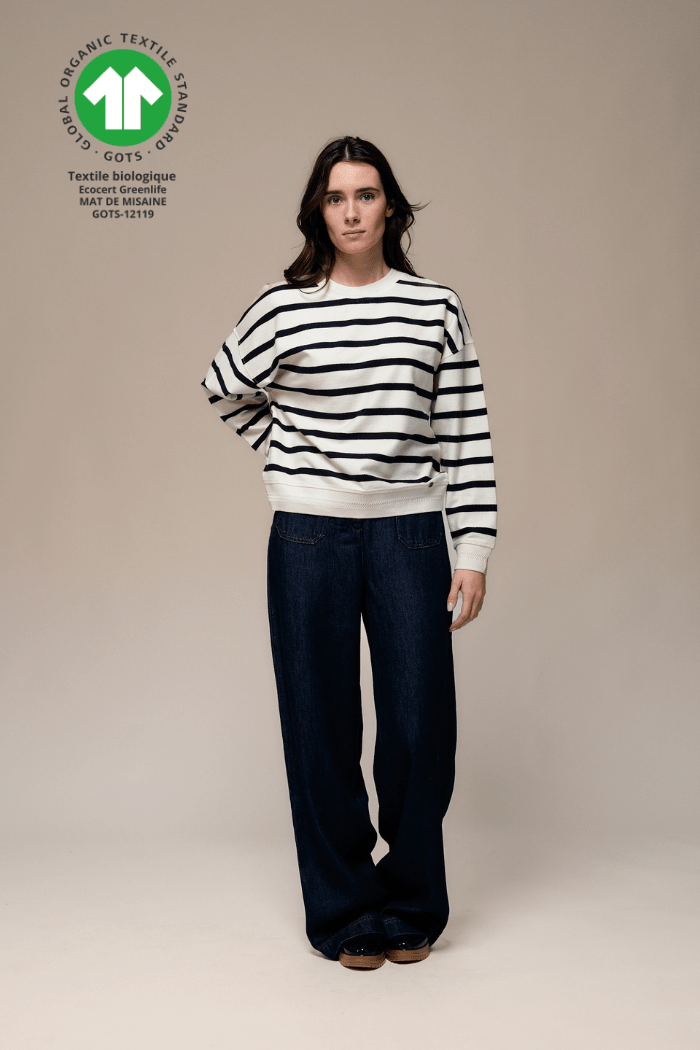
GOTS, or Global Organic Textile Standard, is an international standard for textiles made from organic fibres.
It covers several stages of the textile supply chain and includes requirements relating to material processing, chemical substances used, and certain social and environmental criteria.
It is important to distinguish between three concepts:
-
Organic cotton: Refers to the origin of the fibre and how it is grown.
-
A garment containing organic cotton: Indicates that some or all of its fibre composition includes organic cotton.
-
A GOTS-certified garment: Requires compliance with the certification requirements applicable to the product and its production chain.
The GOTS designation should therefore only be used when supported by the relevant certification documents.
Explore our selection of GOTS-certified clothing: https://mat-de-misaine.com/collections/coton-bio-certifie-gots
Cotton in the Wardrobe
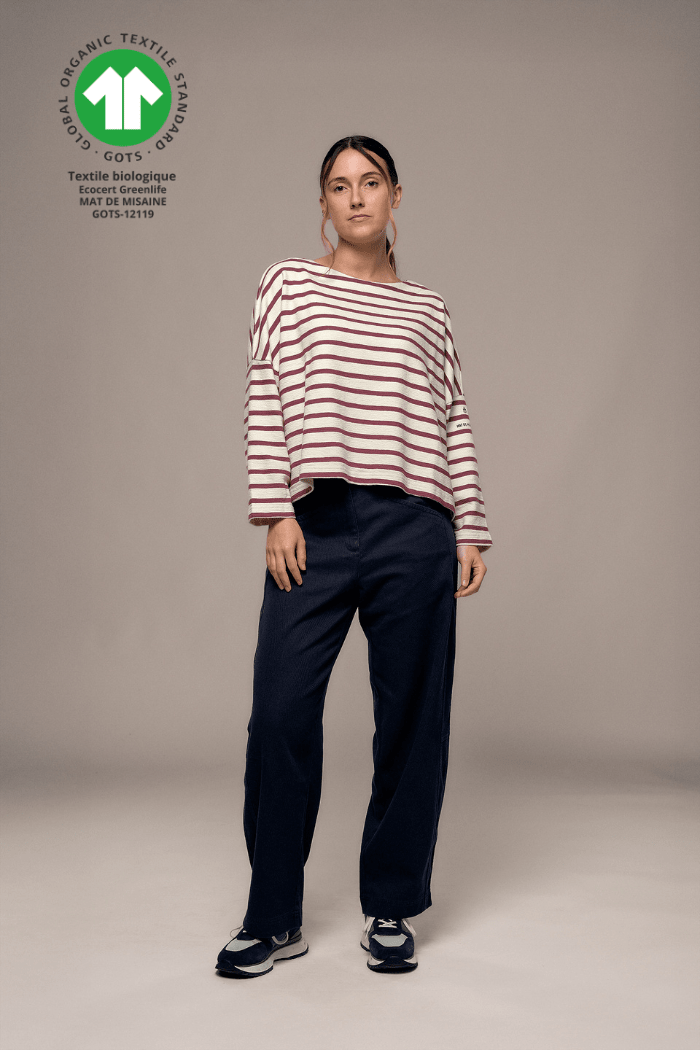
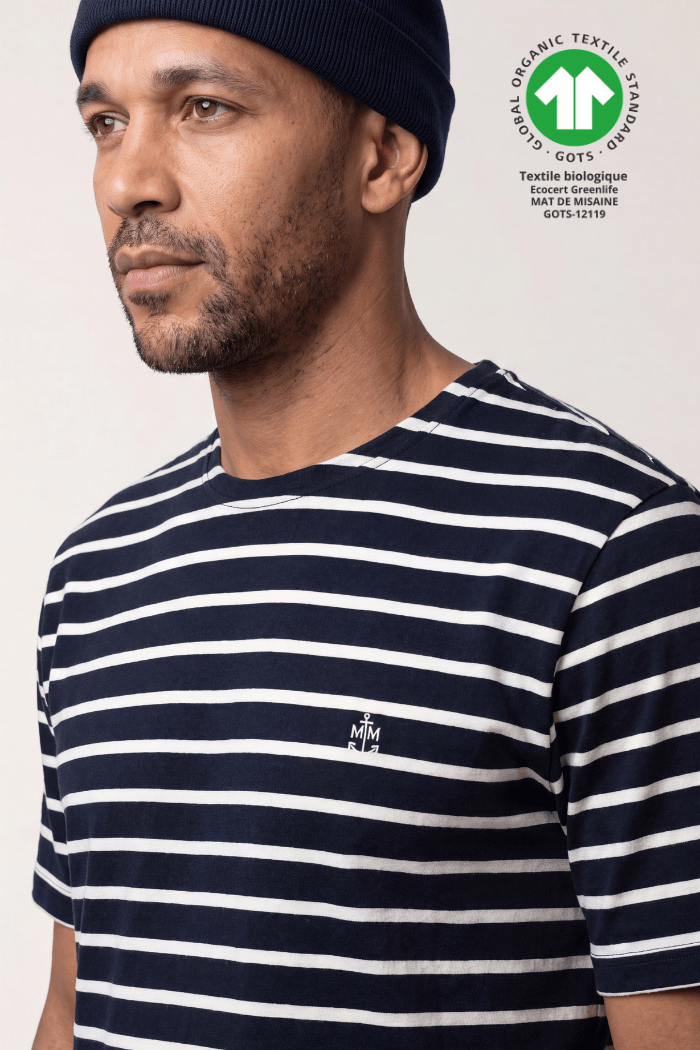
Cotton is used in a wide variety of women’s and men’s garments.
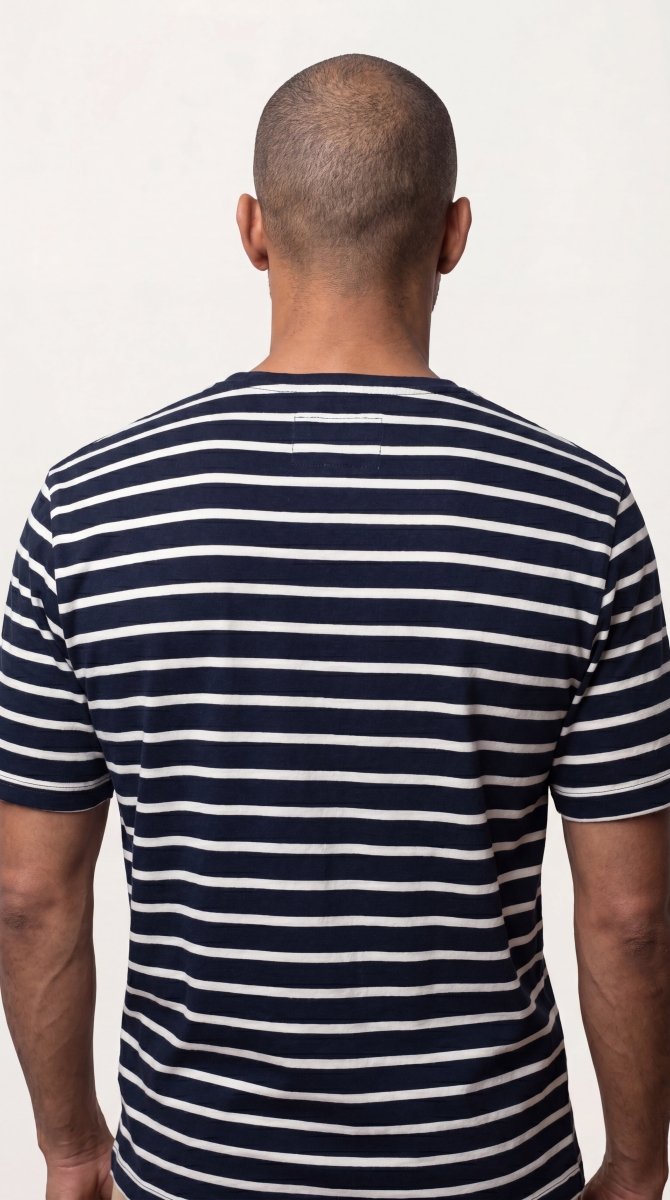
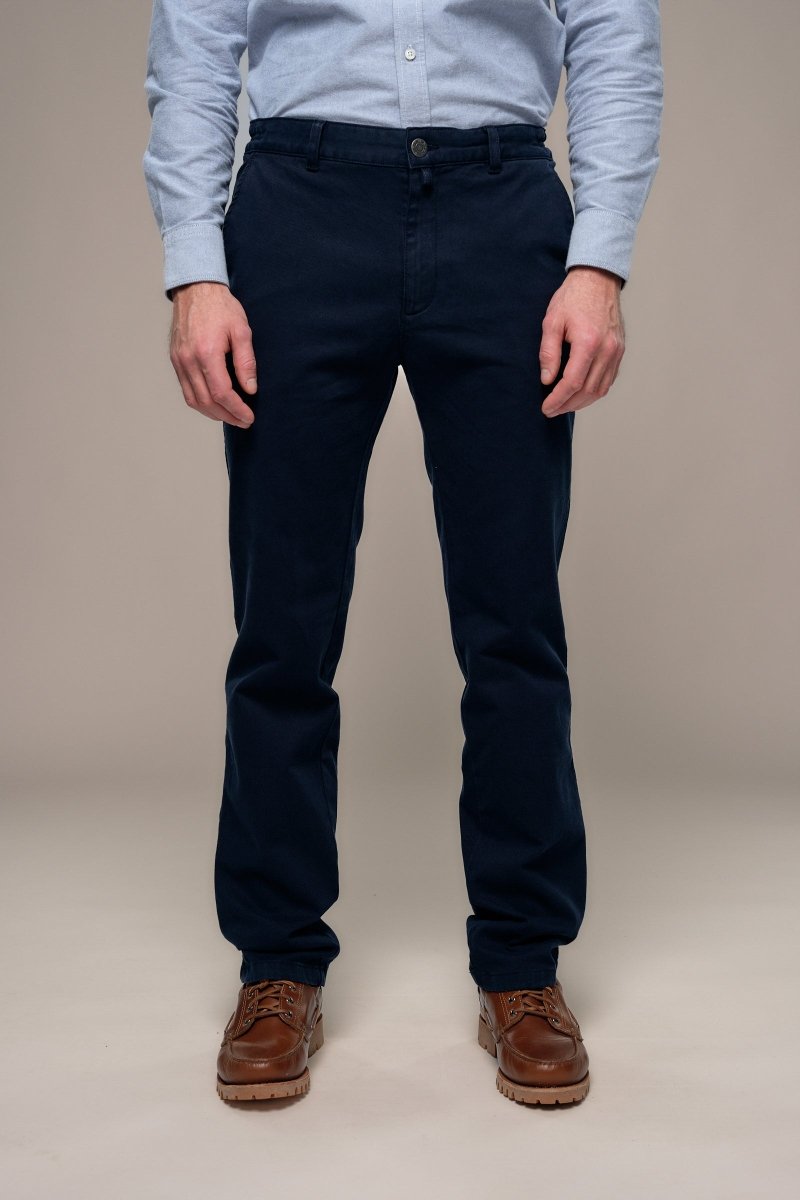
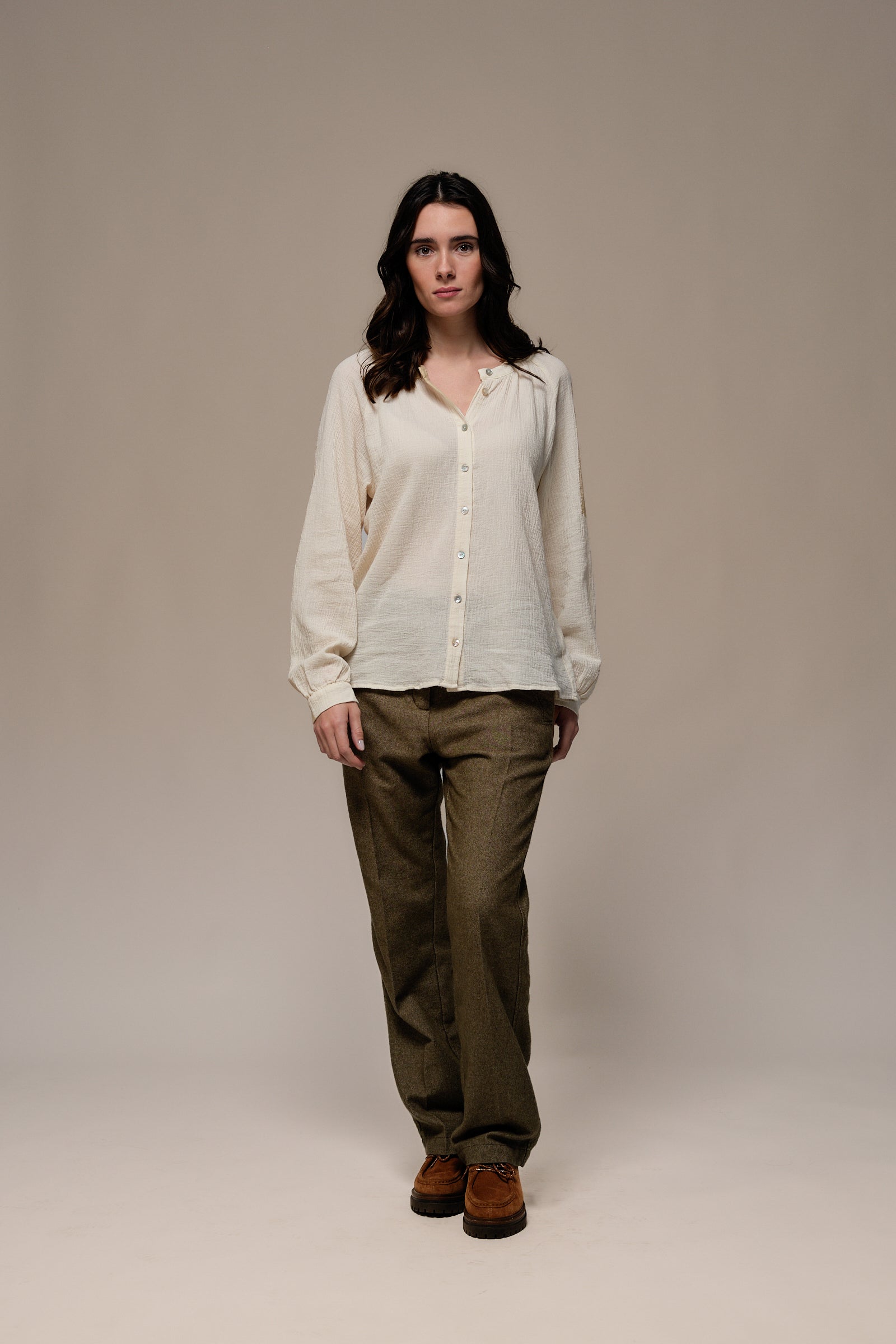
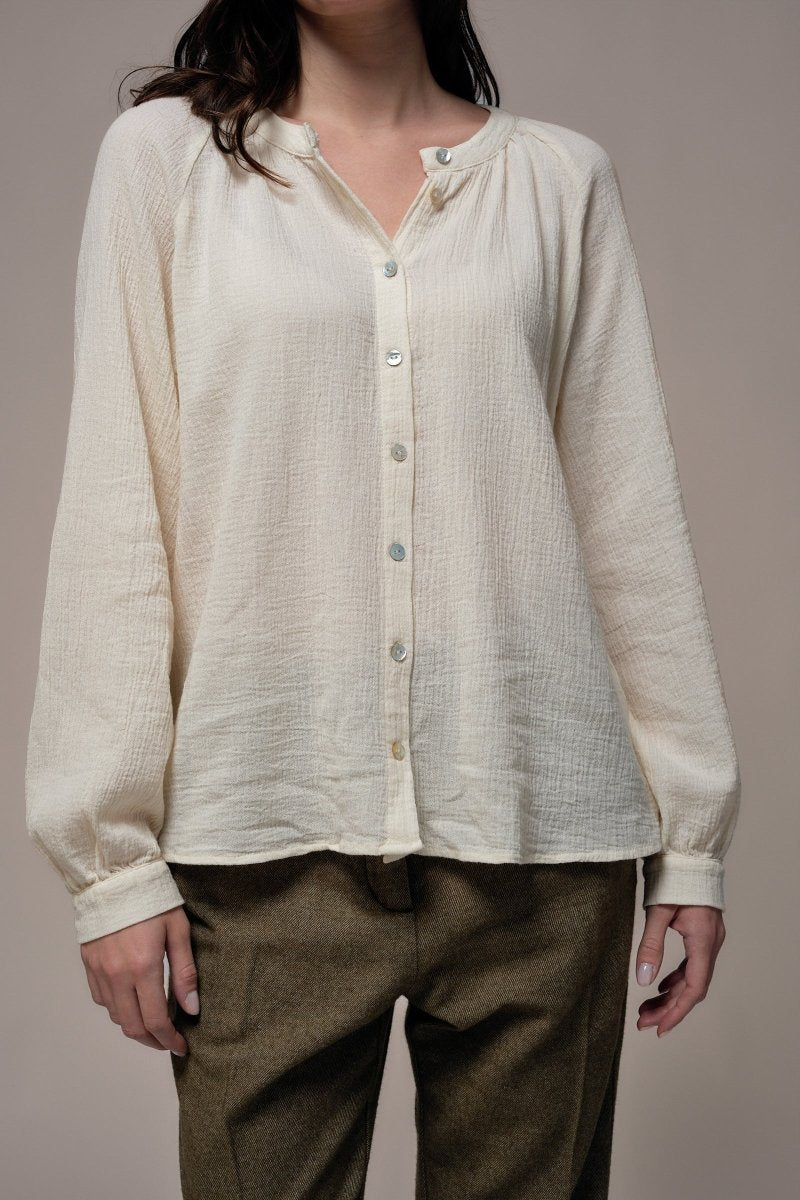
In shirts, it may take the form of lightweight poplin or a more structured woven fabric. In T-shirts, it is often knitted into jersey. For trousers, it can be used in canvas, velvet or denim fabrics of varying weights.
Cotton can also be blended with other fibres, for example to alter the fabric’s flexibility, stretch, shape retention or feel.
When choosing a garment, it is therefore useful to check its exact fibre composition rather than relying solely on the name of the material.
How to Care for Cotton Clothing
Caring for a cotton garment depends on its complete fibre composition, construction, dyeing and finishes.
A few simple habits can help you look after your clothing:
-
Always check the care label.
-
Follow the recommended washing temperature and programme.
-
Sort garments by colour.
-
Avoid washing at higher temperatures than necessary.
-
Follow the drying instructions to help minimise the risk of stretching, distortion or shrinkage.
-
Adjust ironing temperatures according to the manufacturer’s recommendations.
Some cotton garments may shrink during washing, particularly when exposed to heat or mechanical action. This behaviour varies depending on the fabric and the treatments applied during manufacturing.
The instructions on the garment’s care label should always take priority.
FAQ – Everything You Need to Know About Cotton
Is Cotton a Natural Material?
Yes. Cotton is a plant-based fibre obtained from the cotton plant. Transforming it into fabric then involves several manufacturing processes.
What Is the Difference Between Cotton and Organic Cotton?
They are the same plant-based fibre. The main difference lies in cultivation practices and the requirements associated with organic production.
Is Organic Cotton Always GOTS-Certified?
No. Cotton can be organically grown without the finished garment being GOTS-certified.
Is Recycled Cotton the Same as Organic Cotton?
No. Organic cotton is defined by how it is grown, while recycled cotton comes from materials that already contain cotton and are reused to produce new textiles.
Can Cotton Shrink?
Yes. Some cotton fabrics can shrink, particularly when washed or dried using unsuitable methods. The risk varies depending on the fabric and the treatments applied during manufacturing.
Is Cotton Suitable for Every Season?
Cotton is used in clothing designed for different seasons. However, lightweight jersey and heavyweight canvas offer different characteristics when worn. Fabric thickness, construction and garment cut all play an essential role.
Explore Further
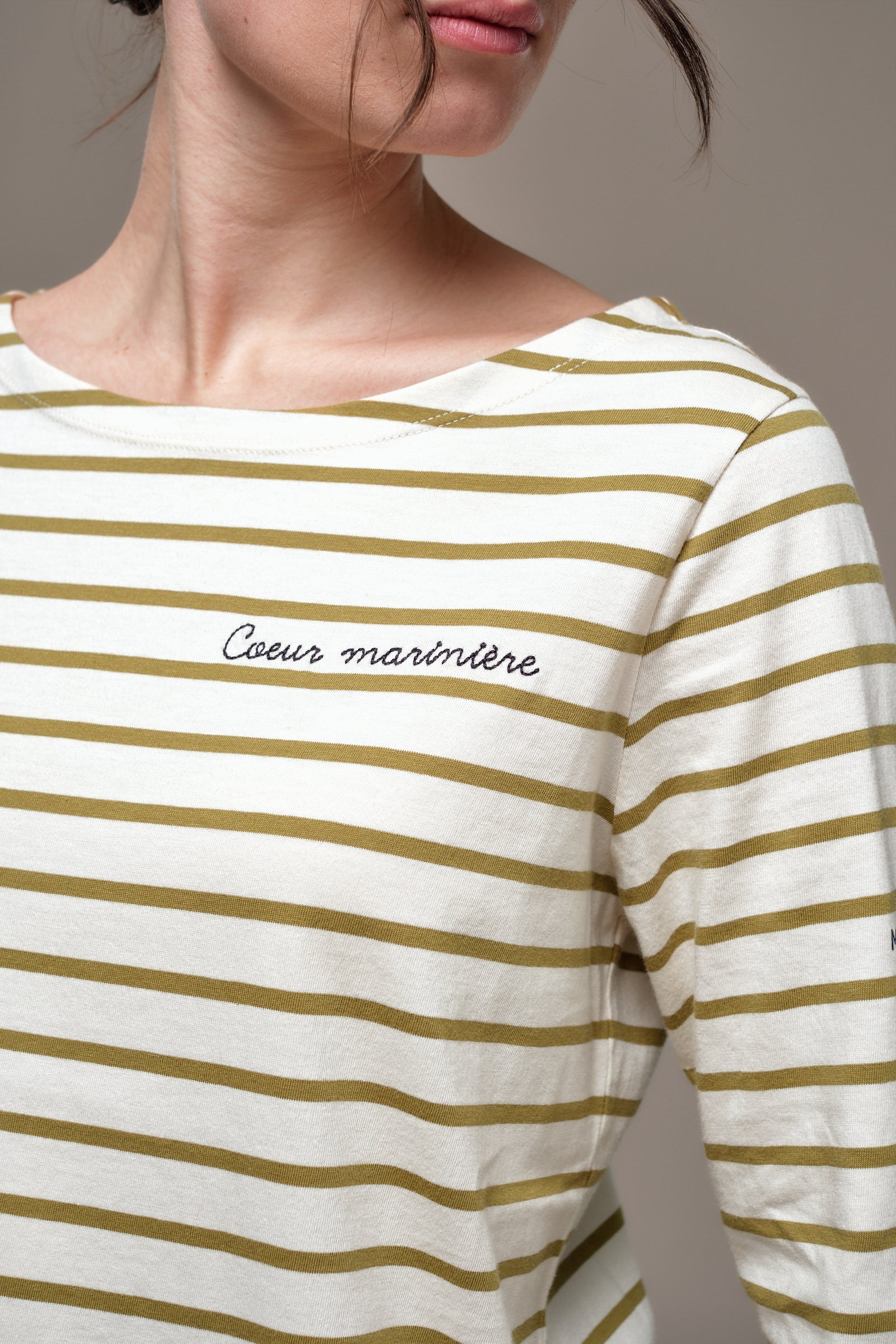
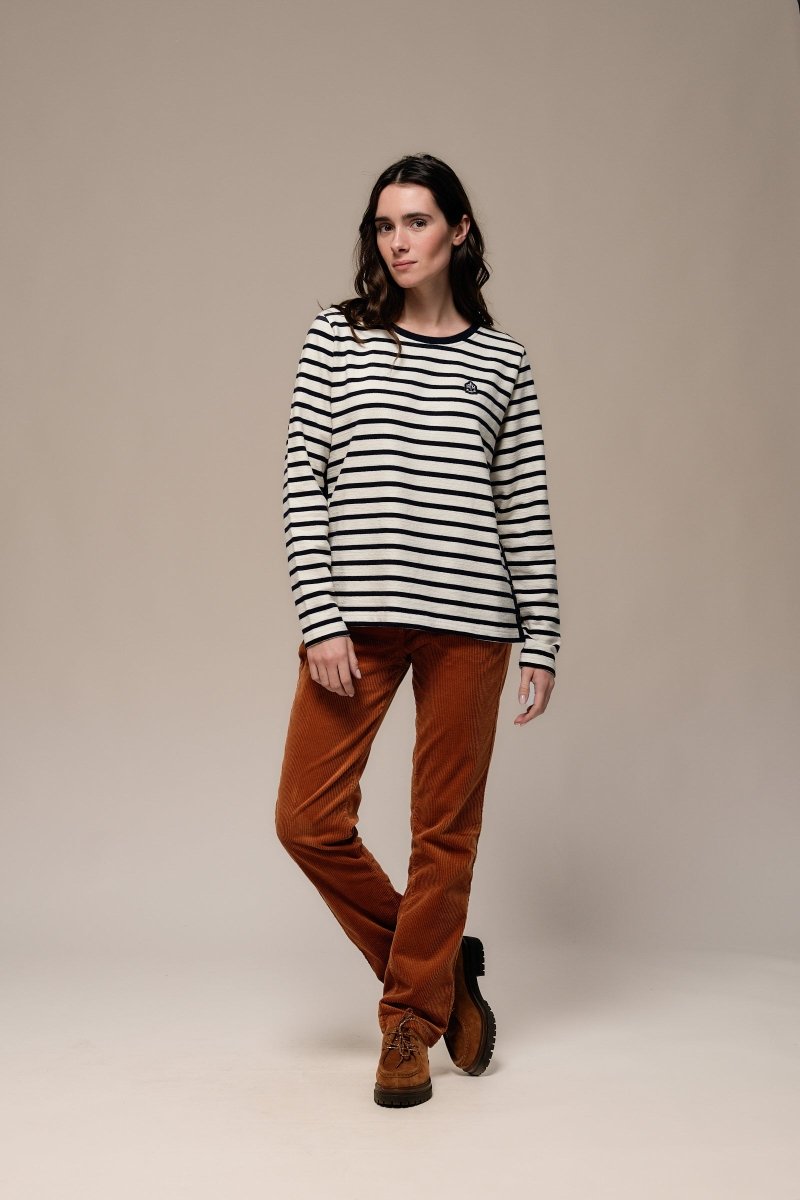
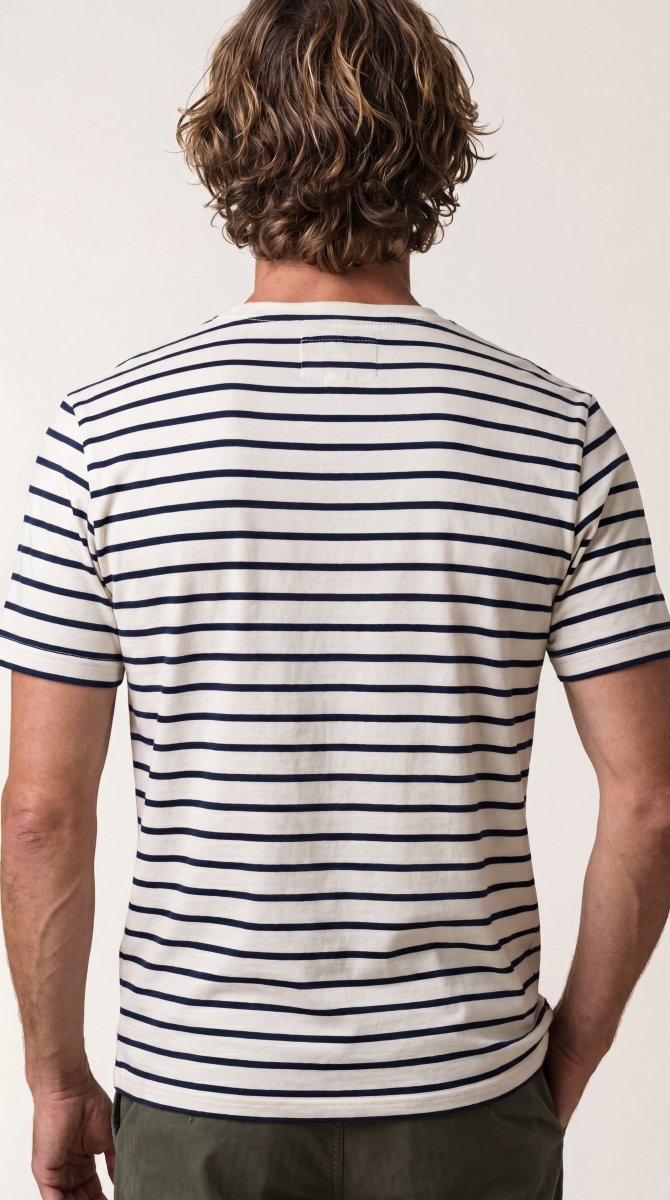
Discover our selections of organic cotton clothing and GOTS-certified clothing, alongside this guide dedicated to cotton.
Our selection of clothing











Secure payment
Visa, Mastercard and Amex

Free delivery
From €150 in France

Free returns
Within 30 days in France

Customer Service
eshop@mat-de-misaine.com
02 51 60 29 80
Monday to Thursday:
9am-12:30pm | 2pm-5pm
Friday: 9am-12:30pm

Towards eco-design (natural materials, organic cotton, recycling, etc.)